Murs mûrs...
Whispering Walls
Photographic-graphic research
on the metaphysics of the image.
Conceptual postulate

In "beyond the image," what are the issues that arise from a choice that establishes the possibility of the "sublime"; and what relationships are maintained with the fiction of a transitional state, when reality is transformed?
Writing and whispers...
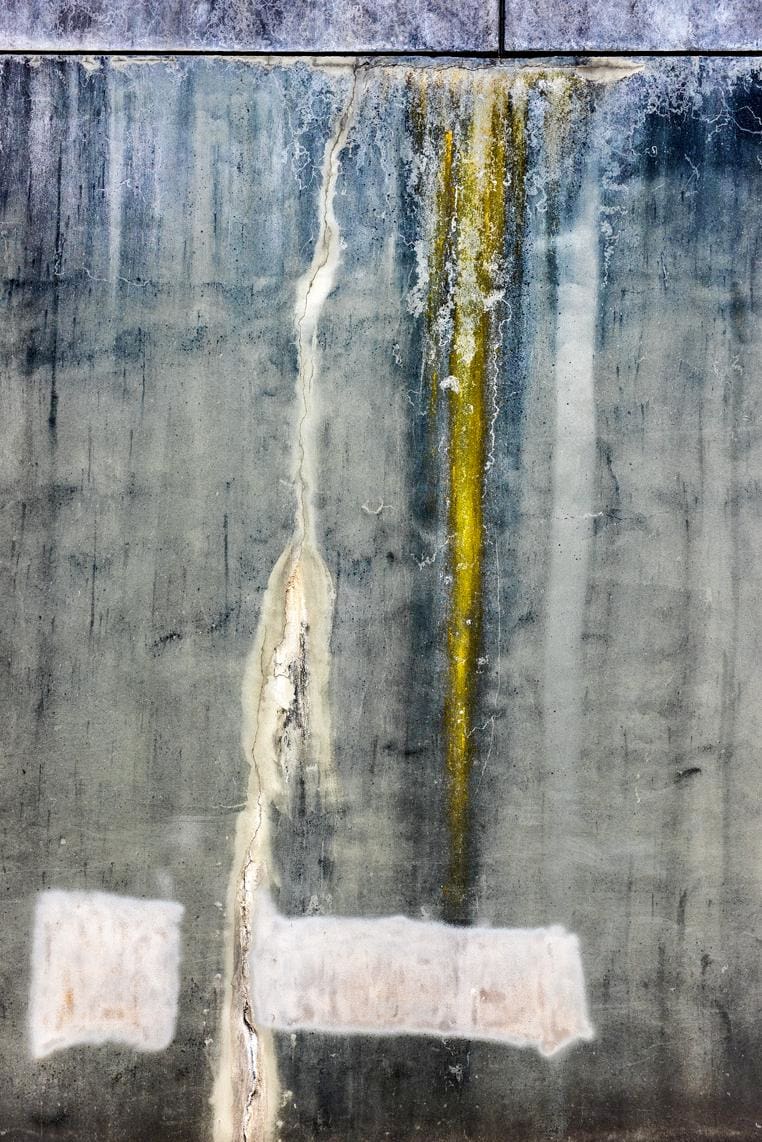
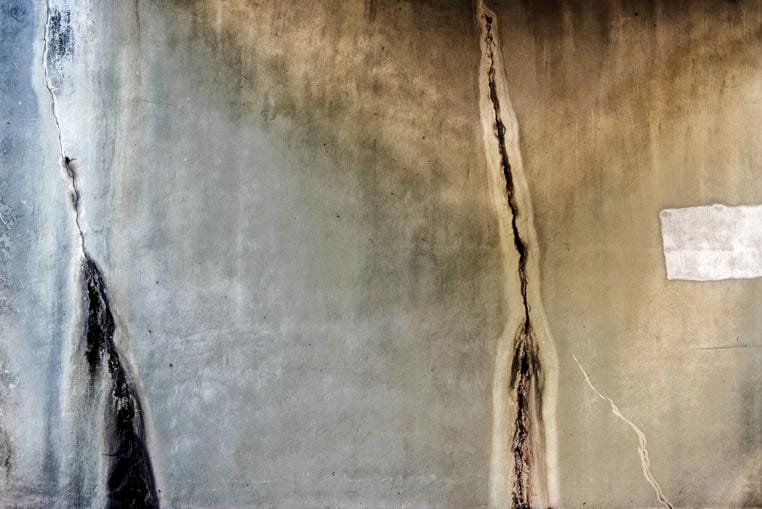
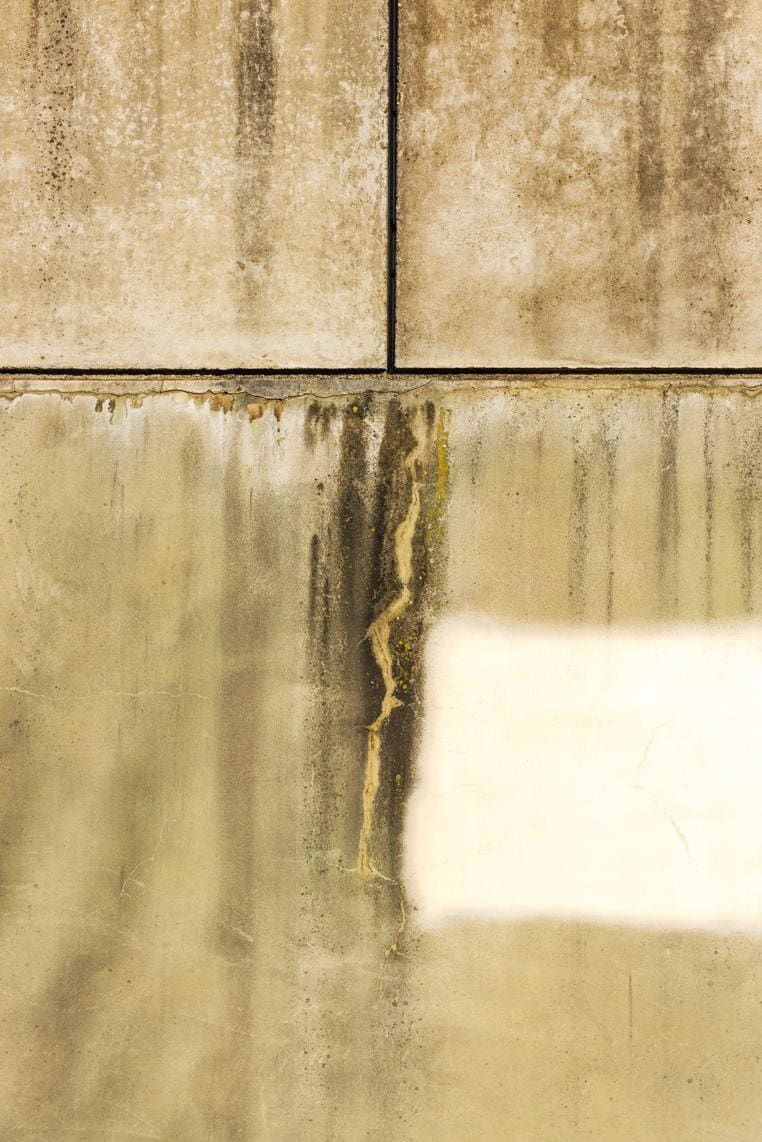
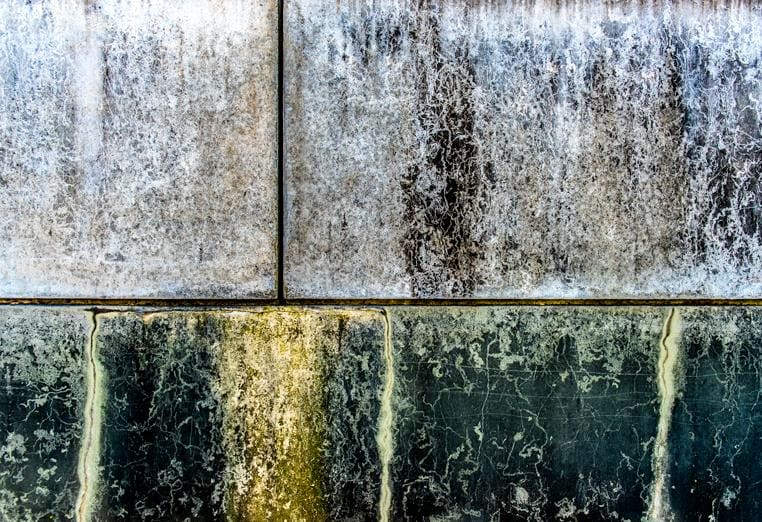
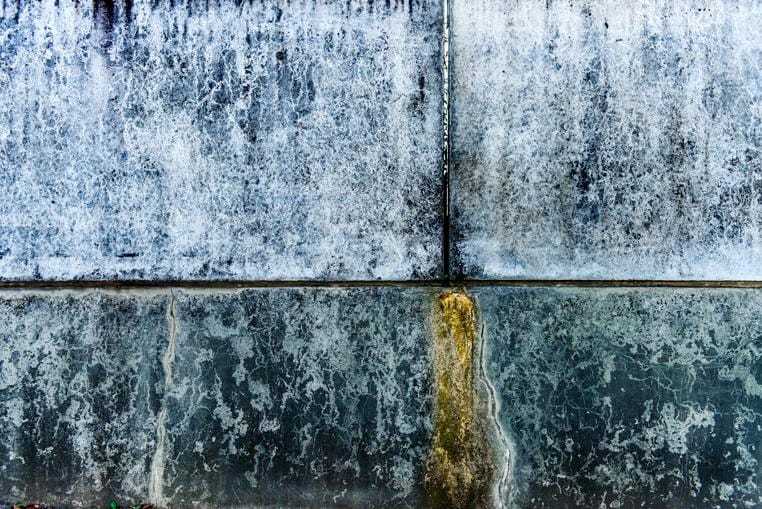
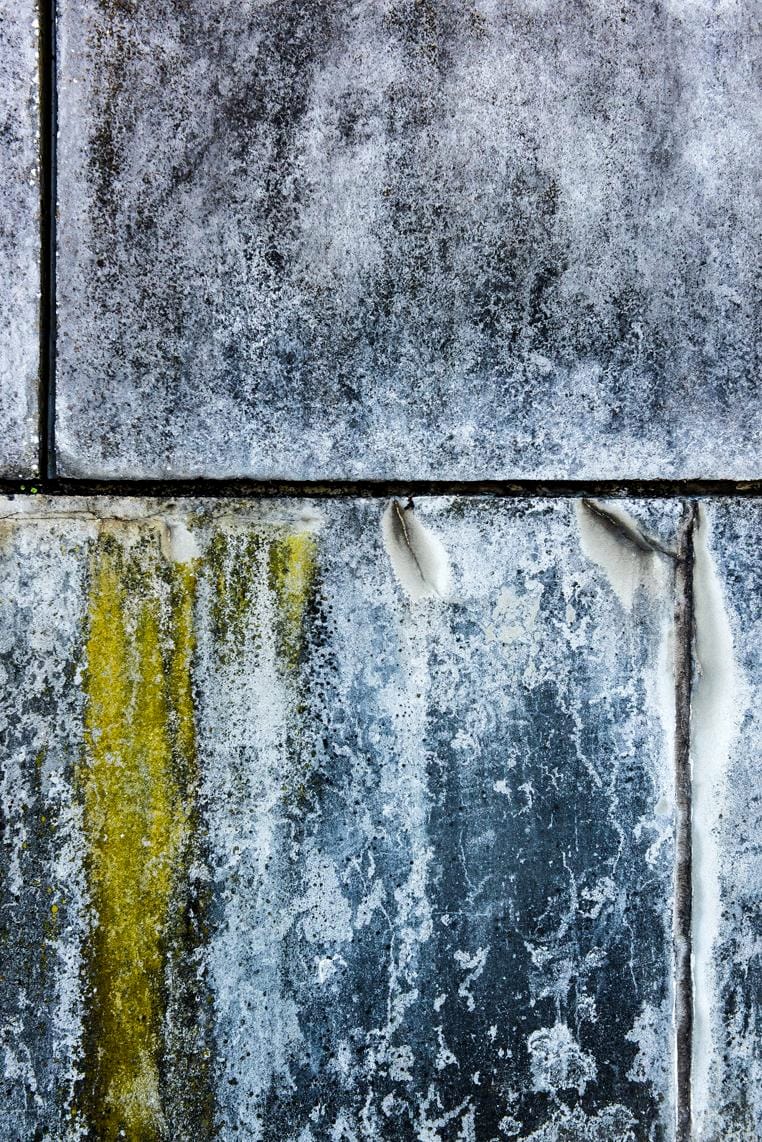
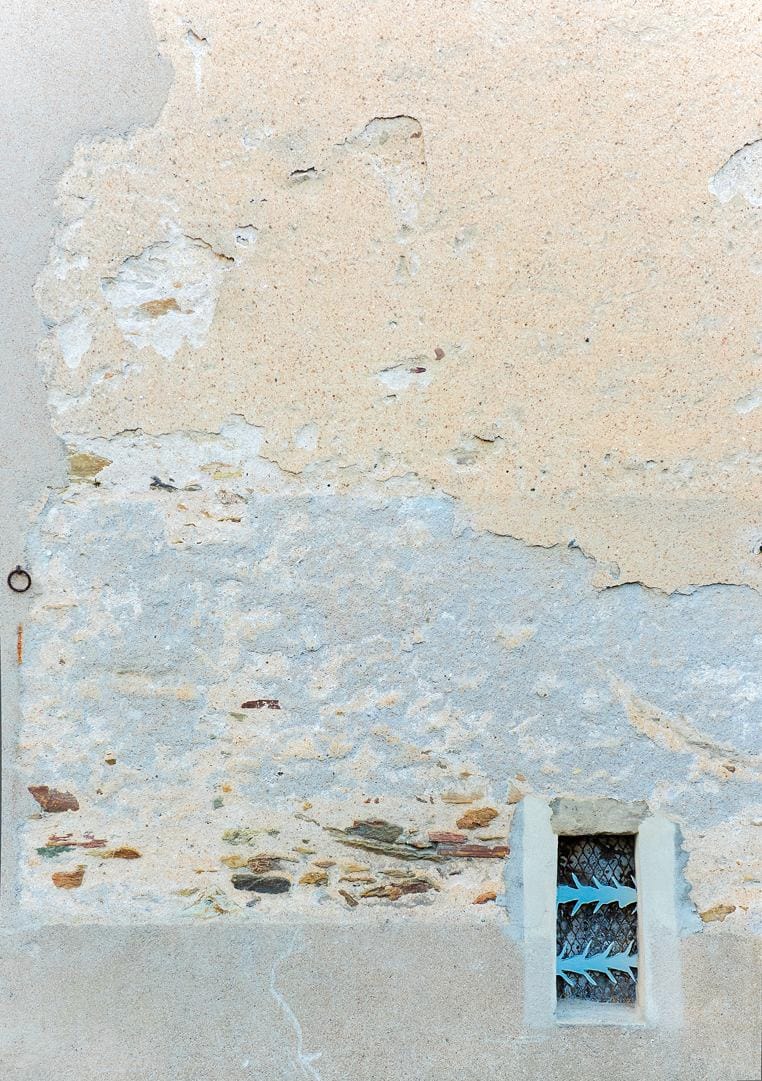
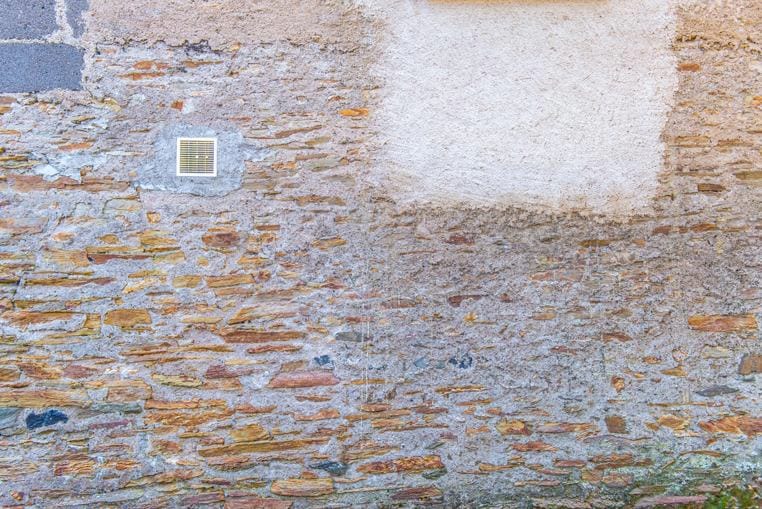
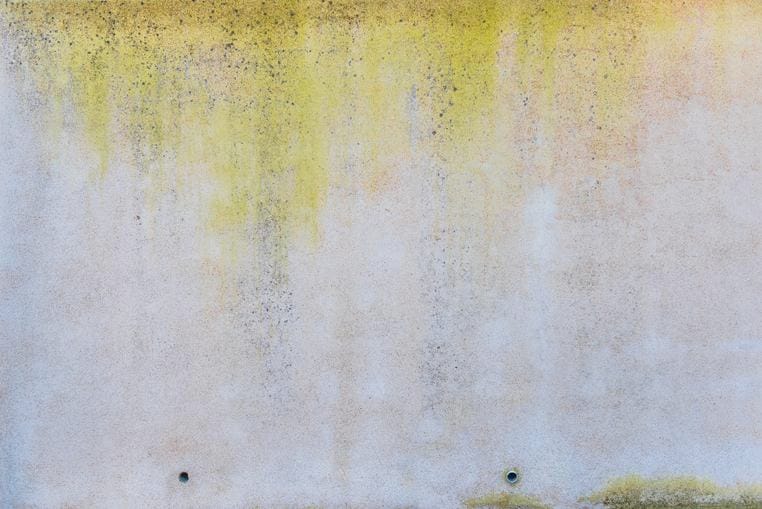
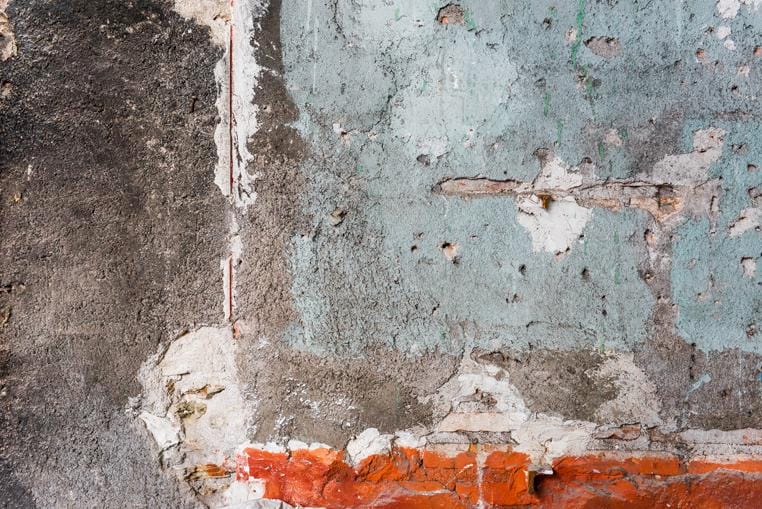
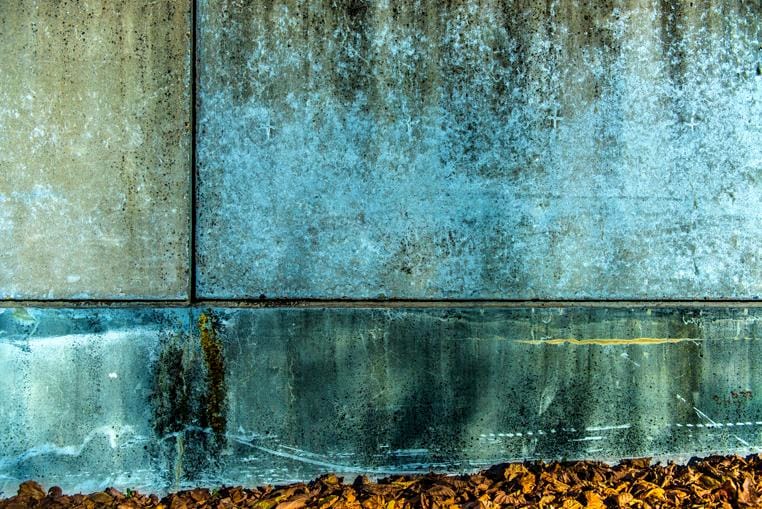
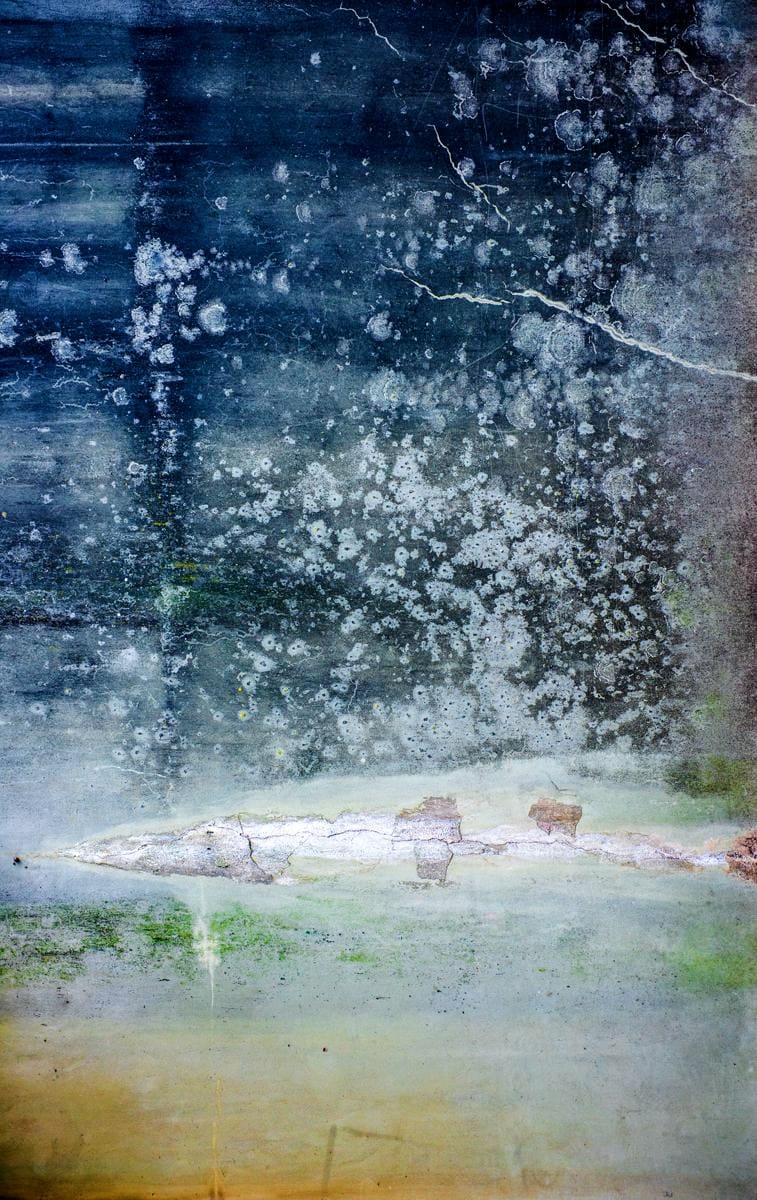
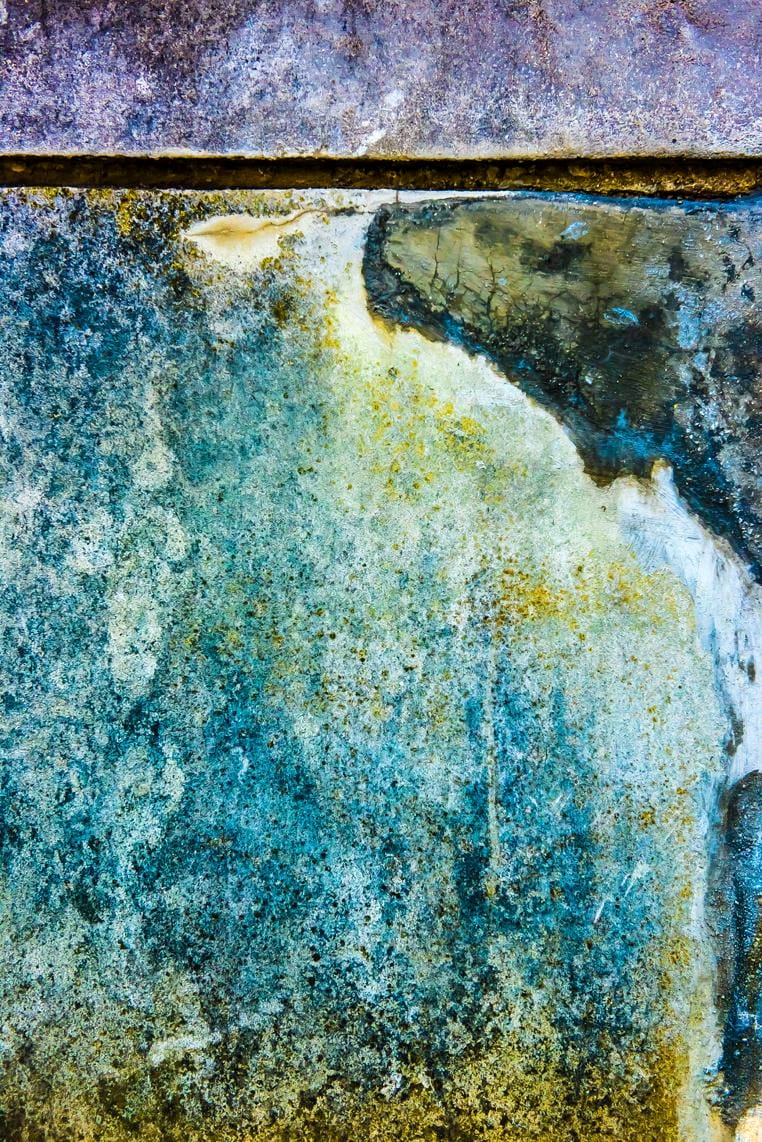
Crumbled, cracked, patched, abandoned, restored, repainted, tagged, bruised, mended, interlocked, swollen…;
of stone, cement, lime, plaster, bricks, concrete, in ruin or newly built…;
dripping with stains and streaks, harnessed with gutters, garlanded with cables and conduits, stamped with signs and shutters, nibbled by vegetal lace, ventilated by mashrabiya-like grilles, electrified by junction boxes, pierced with improbable niches, openings obscure, or hastily mortared joints;
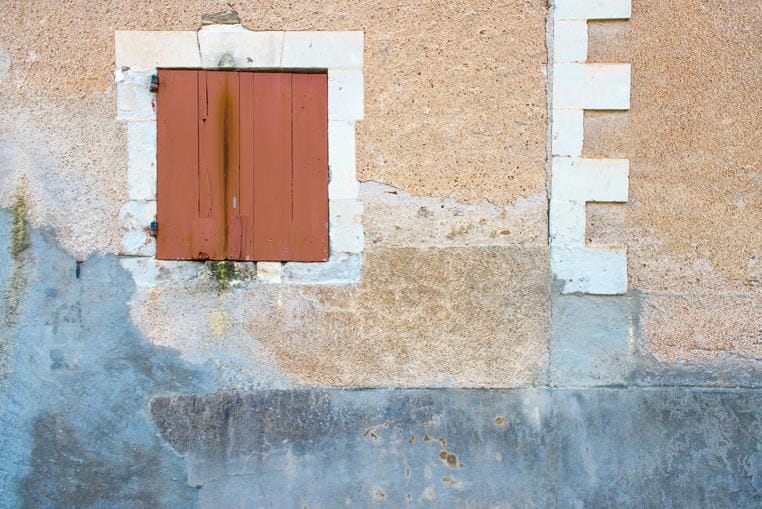
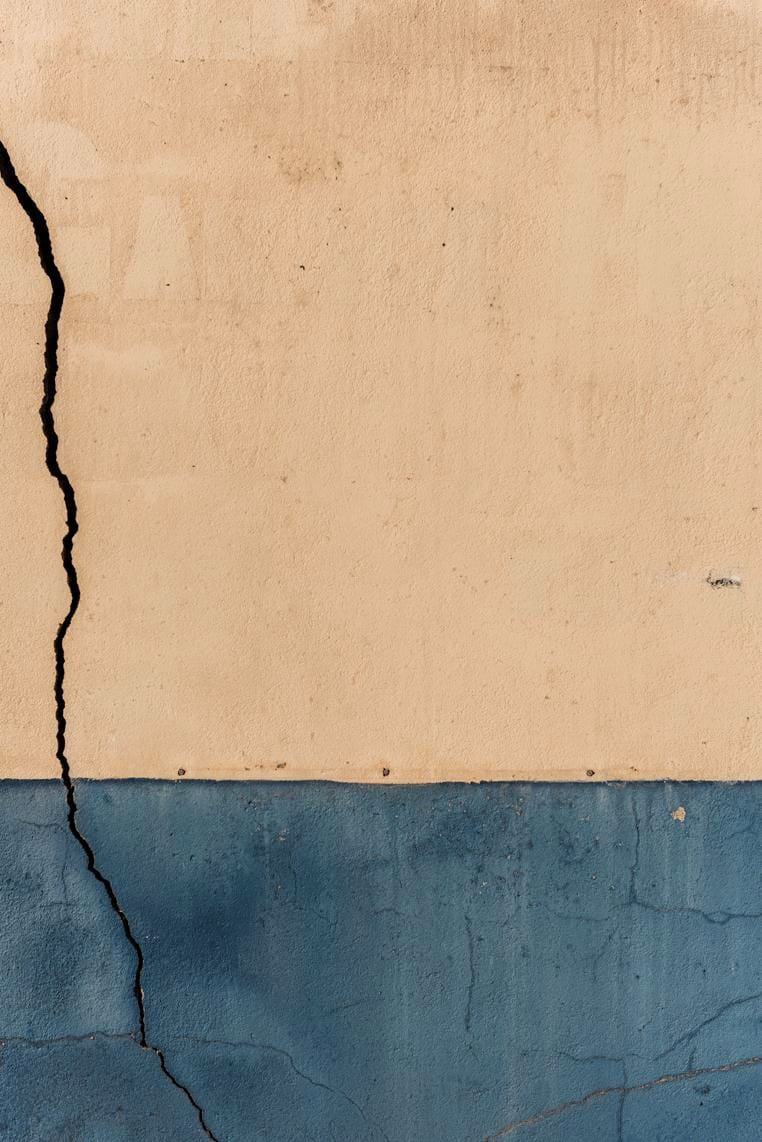
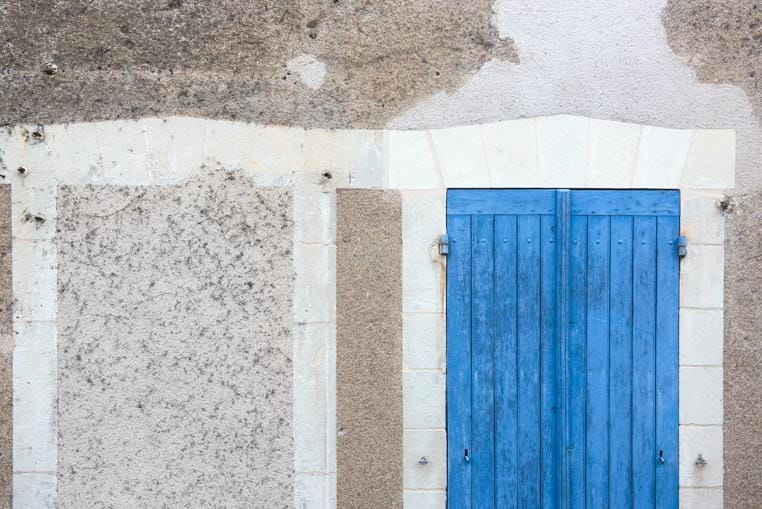
the “Whispering Walls” of Pascal di Péri murmur to our eyes a patinated memory, vertical, coated with life, survival, and timelessness: “The present is fossilized nothingness…”
PdP.
Like so many faces bruised by pain and resurrected by a blush that illuminates them anew. The portions of walls he appropriates tell a fragment of our shared past: expressive wrinkles of latent memories, here often “Botoxed” by the joyfully discerning palette of the artist. Indeed, against the current, he often revives the colors of this memory, transcending a virtual reality: awakening the sleeping…
This intimate commemoration often merges with the present of the unreal. Pascal di Péri listens both to a possible echo of the past in these walls and to another truth scanned in the present of obsolescence, carrying them toward a shattering future… He performs an “oneirization” of reality. The magic of generally improbable framings, captured with rigor and disarming originality, also seeks to amplify and open the limits of the frame: “The imagination always escapes the frame…”
PdP.
These perpetually outraged “shells,” here regenerated, are as many combative “art-walls,” which, art in hand, have defended themselves against assaults, and ultimately surrendered, weighed down by temporal torments. This “wall-art” is the precursor to “street-art”: simply streams of poetic potential, where the implicit merges with the subliminal to extract the essence of a nourishing emotion, whose froth attempts to touch a probable “incandescent fertility”…
To put back together what is falling apart...
Deciphering, discriminating, restructuring, and ultimately managing to extract a “beauty” from the banal. By clearing this flavorless everyday, Pascal di Péri discovers a creation object of extreme pertinence.
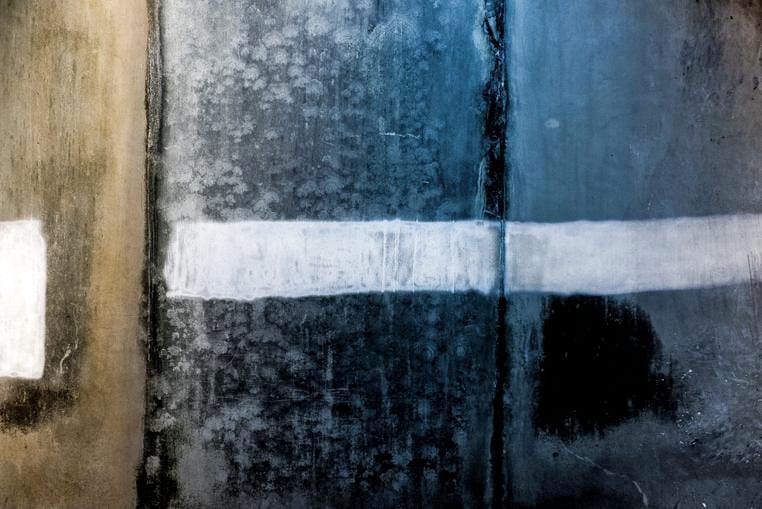
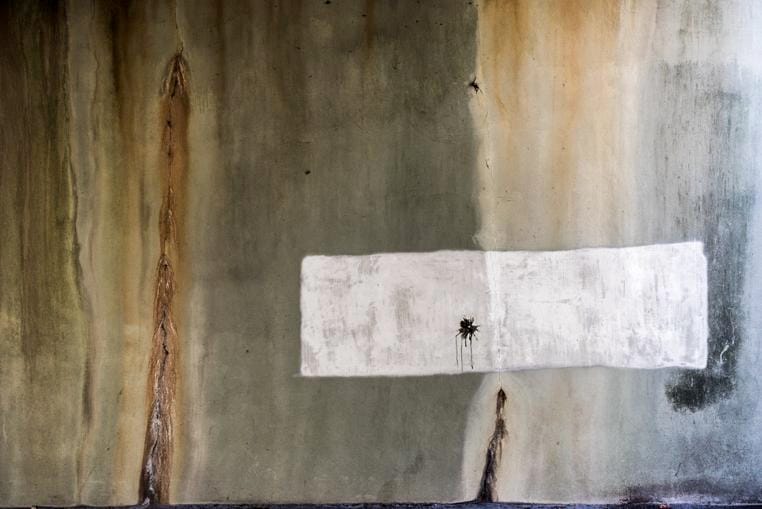
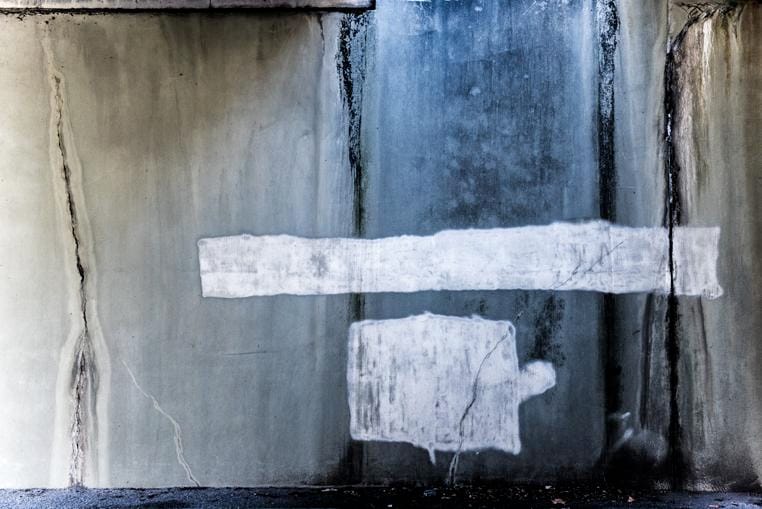
To listen to these walls, to observe their wounds or their splendor, to extract a frame that reorders what is incantatory in their silences; to divert the codes of a neutral, bland daily life toward a graphic harmony whose compelling symbolism almost erases the functional determinants of the image.
Meticulously recomposing what was decomposing before our eyes. Decontextualizing the play of colors, shapes, shadows, and lights; exploring the erosion of matter by freezing a chosen fragment; giving this otherwise mundane minerality sudden impulses of the unprecedented; uncovering the strange, the mysterious, the dreamlike, the absurd, the organic, the “vestigial,” to redefine and transcend the inexorable course of time—it is an attempt at “revelation.” The observer comes into contact with a “poetic griffin” whose fresh source can quench a thirst for beauty.
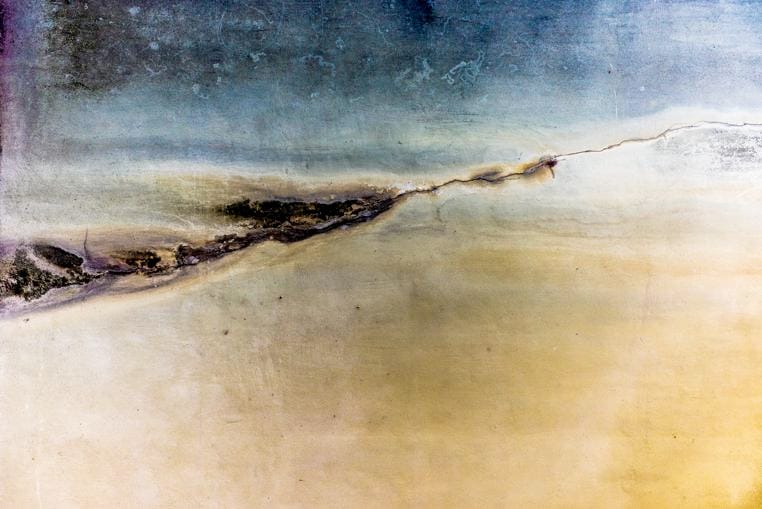
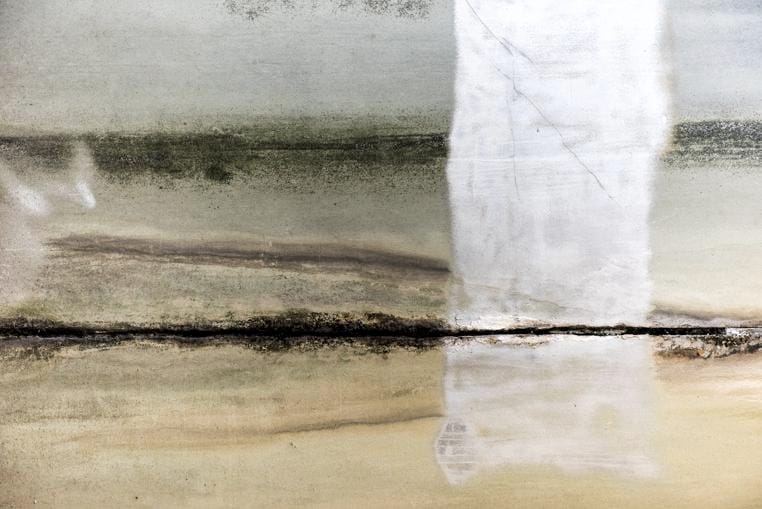
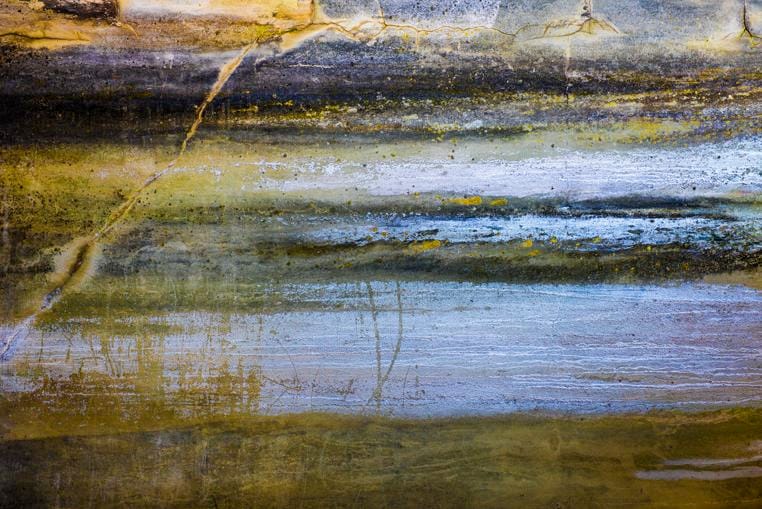
One savors the meticulous balance of each photograph, whose framing seems determined with millimetric precision: a subtle, intuitive geometry serves the emotion. In these images, there is no perspective or “entrance” inviting the gaze into depth. They are flat planes that merely brush the eye. Yet these surfaces of material and color, penetrating despite everything, invite a fusion-like encounter: photo/painting. One perceives a subtle and refined conceptual and sensory research.
In these figurative abstractions or lyrical figurations with deliquescent patinas, the question arises: is this still photography as proposed by Pascal di Péri? For the pictorial commitment of these images is so striking that the boundary between the brush of light captured by the lens and the pigments spread on canvas often seems to disappear here.
This new work he presents lies precisely at the intersection of these two arts, nourished from the operational field of photography, yet whose aesthetic fiber is undoubtedly highly pictorial.
Pascal di Péri, ultimately neither a photographer nor a painter, simply positions himself as a "poet of the image." In this conceptual sfumato, where does photography end? Where does painting begin?...
“The photographer’s gaze must be inquisitive. He must draw sources of creation from everywhere, even from a world that seems devoid of particular interest. He must know how to uncover what is worth seeing in what is no longer observed. To perceive the harmony of a sensitive world and to point it out where there was neither expectation nor desire.
This gaze then gives way to the painter’s reflective intuition. It is up to him to make new codes sprout, to stage them, to restructure them so as to fertilize wonder by establishing the foundations of an emotionally powerful imagination.
Yes! Isn’t the artist here to point out the essence of beauty wherever it may be? To reach this state of revelation (for the artist must be a revealer, capable of re-enchanting the world), three founding postulates: Framing! Framing! Nothing but framing!… Yes!
The sublime hides there, within reach of the frame, simply by changing the level of perception and the point of view!”
My work, “Murs mûrs”, is entirely grounded in my painterly gaze. Like a portraitist, I determine my frame, choose the pose of the “model,” and capture the light offered to me… It is from this perception that I stage a simple, authentic reality, stripped of artifice. A reality in which one or two elements that strike me as fascinating can capture the viewer’s attention, and where a few carefully organized fragments within a recomposition reveal a path toward an almost dreamlike singularity.
Each element of this seemingly unremarkable reality is reinterpreted through the lens, its frame, and often through its “painterly” treatment, becoming a sign of a poetry invisible to the naked eye.
This whole then acquires meaning and symbolism by “repersonalizing” pre-established patterns to reach another state of perception. It reshapes the vibration of the gaze and factually questions what we can perceive of the forgotten or neglected surrounding reality when we change our “frame.”
These eternal snapshots are my “macro-hearts.”
Price indications:
The prints of the artworks are numbered and limited to a total of 30 copies per image:
Within these 30 prints, 5 different formats are available. These formats are also limited.
Important note from the author:
Information to come.
Formats are given as an indication; not all works have exactly the same height-to-width ratio.